Baterías
Power up instantly for all your energy needs. Our Batteries offer long-lasting performance and reliability. Shop now for unbeatable convenience!
-

Batería SLA1104 de 12 V y 12 AH (se requieren 2 para scooters y sillas de ruedas eléctricas)
by Interstate Batteries
Mobility Batteries
Interstate Batteries SLA1104 12V 12AH Batteries - Reliable power for your needs. Ideal for mobility scooters and powerchairs. Shop now!
Key Features- Batería de plomo-ácido sellada de ciclo profundo de 0,250
- Aprobado por la FAA, la IATA y UPS
Free Shipping On all orders over $50 across the USAFull Warranty Full manufacturer warranty includedLifetime Support Expert help whenever you need it -

Conjunto de batería para Go Chair
by Pride Mobility
Accessories
Pride Mobility Go Chair Battery Pack Assembly - Enjoy long travel range and airline-safe, maintenance-free performance. Lightweight design. Shop now!
Key Features- El conjunto de caja de batería contiene (2) baterías de 12 V 18 AH
- Silla Go-Chair de la generación actual
Free Shipping On all orders over $50 across the USAIn-Home Service Free 1 year in-home service planLifetime Support Expert help whenever you need it -

Batería SLA de 12 V y 18 AH (se requieren 2 para scooters y sillas de ruedas eléctricas)
by Interstate Batteries
Mobility Batteries
Interstate Batteries SLA1116 12V 18AH Batteries - Reliable power for your needs. Ideal for mobility scooters and powerchairs. Shop now!
Key Features- Plomo-ácido sellado
- Aprobado por la FAA, la IATA y UPS
Free Shipping On all orders over $50 across the USAFull Warranty Full manufacturer warranty includedLifetime Support Expert help whenever you need it -

Batería de gel sellada MK Battery MU-1
by MK Battery
Mobility Batteries
MK Battery MU-1 12V 31.6AH GEL Batteries - Enjoy superior cycle life for long-lasting performance. Maintenance-free gel design for hassle-free use. Shop now!
Key Features- Baterías selladas de gel recargables que no requieren mantenimiento
- El precio indicado es por 1 batería cada una
Free Shipping On all orders over $50 across the USAFull Warranty Full manufacturer warranty includedLifetime Support Expert help whenever you need it -
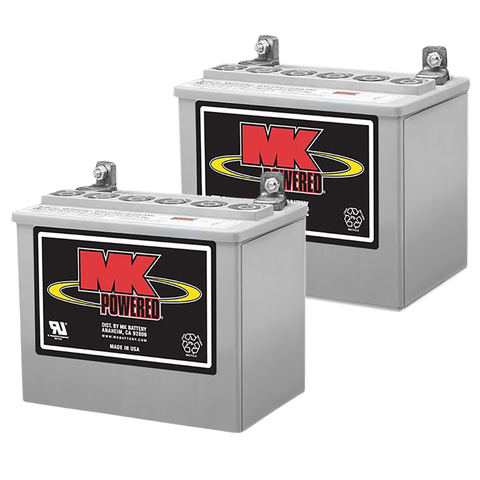
Batería de gel sellada MK Battery M22NF
by MK Battery
Mobility Batteries
MK Battery M22NF 12V 51AH GEL Batteries - Enjoy longer battery life with true deep-cycle gel chemistry. Superior cycle life for daily wheelchair users. Shop now!
Key Features- Aprobado por la FAA, la IATA y UPS
- El precio indicado es por 1 batería cada una
Free Shipping On all orders over $50 across the USAFull Warranty Full manufacturer warranty includedLifetime Support Expert help whenever you need it -
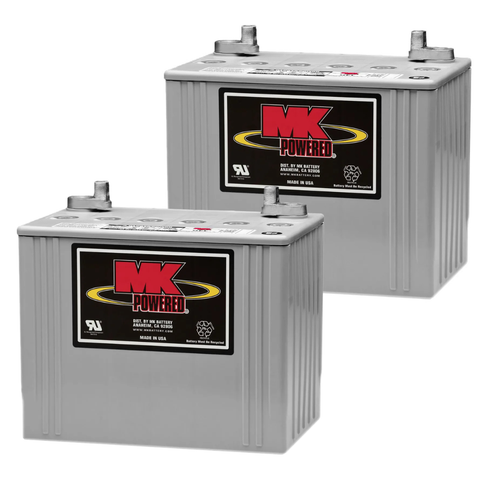
Batería AGM sellada MK Battery U1
by MK Battery
Mobility Batteries
MK Battery U1 12V 32AH AGM Batteries - Dual-purpose design for long-lasting power and high-performance discharge. 100% spill-proof AGM construction. Shop now!
Key Features- Aprobado para el transporte público
- Libre de mantenimiento y completamente sellado
- El precio indicado es por 1 batería cada una
Free Shipping On all orders over $50 across the USAFull Warranty Full manufacturer warranty includedLifetime Support Expert help whenever you need it -
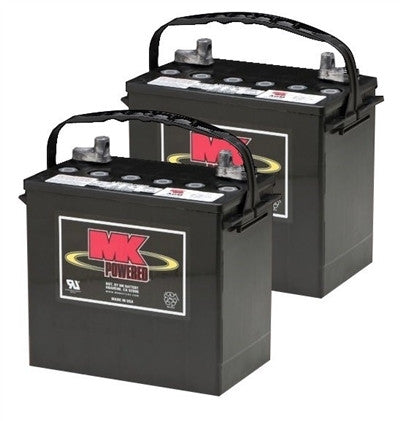
Batería AGM sellada MK Battery M22NF
by MK Battery
Mobility Batteries
MK Battery M22NF 12V 55AH AGM Batteries - Maintenance-free and leak-proof. Dual-purpose for float and cycle use. Shop now!
Key Features- Libre de mantenimiento Nunca se agrega agua; baja responsabilidad
- El precio indicado es por 1 batería cada una
Free Shipping On all orders over $50 across the USAFull Warranty Full manufacturer warranty includedLifetime Support Expert help whenever you need it -
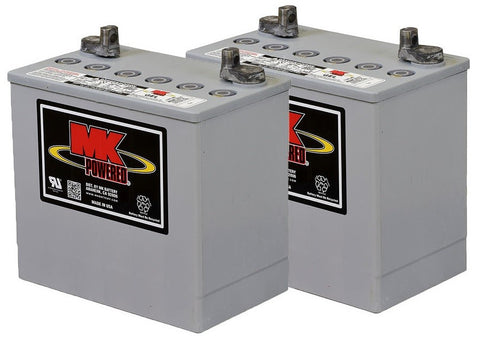
Batería SLA de 12 V y 55 AH (se requieren 2 para scooters y sillas de ruedas eléctricas)
by Interstate Batteries
Mobility Batteries
Interstate Batteries SLA1165 12V 55AH Batteries - Reliable power for your needs. Ideal for mobility scooters and powerchairs. Shop now!
Key Features- Tuerca y perno de plomo ácido sellados/bandera
- Aprobado por la FAA, la IATA y UPS
Free Shipping On all orders over $50 across the USAFull Warranty Full manufacturer warranty includedLifetime Support Expert help whenever you need it -
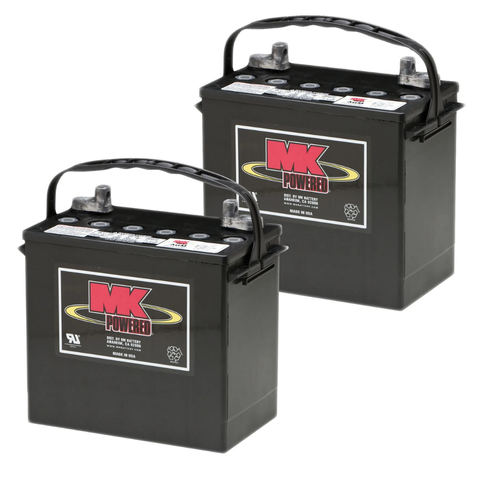
Batería de bandera SLA de 12 V y 35 Ah (se requieren 2 para scooters y sillas de ruedas eléctricas)
by Interstate Batteries
Mobility Batteries
Interstate Batteries SLA1155 12V 35AH Batteries - Reliable power for your needs. Ideal for mobility scooters and powerchairs. Shop now!
Key Features- Plomo-ácido sellado
- Aprobado por la FAA, la IATA y UPS
Free Shipping On all orders over $50 across the USAFull Warranty Full manufacturer warranty includedLifetime Support Expert help whenever you need it -
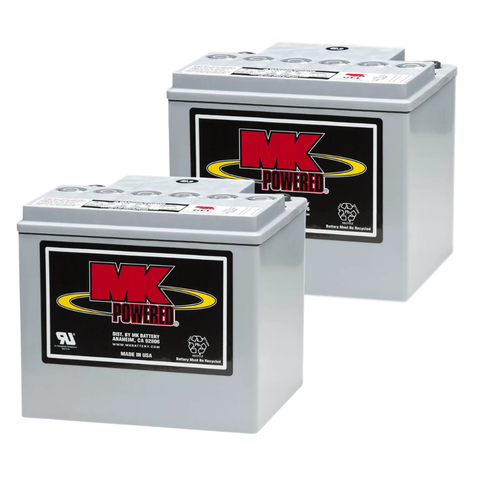
Batería de gel sellada MK Battery M40
by MK Battery
Mobility Batteries
MK Battery M40 12V 40AH Gel Batteries - Deep cycle performance for longer life. Sealed, leak-proof gel technology. Shop now!
Key Features- Aprobado por la FAA, la IATA y UPS
- El precio indicado es por 1 batería cada una
Free Shipping On all orders over $50 across the USAFull Warranty Full manufacturer warranty includedLifetime Support Expert help whenever you need it -
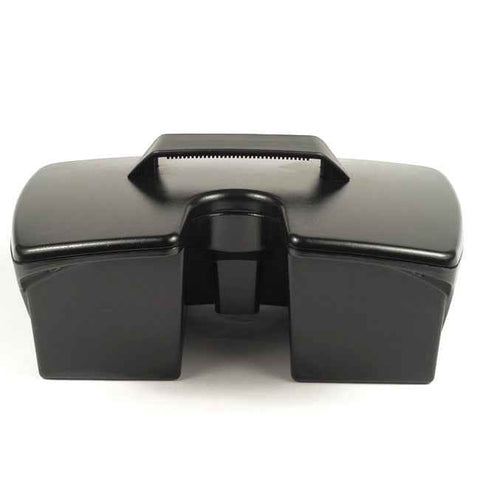
Batería MK M24 Batería de gel sellada
by MK Battery
Mobility Batteries
MK Battery M24 12V 73.6AH GEL Batteries - Enjoy extreme deep cycle life for longer use. Leak-proof, maintenance-free sealed VRLA Gel technology. Shop now!
Key Features- Viaje y envíe fácilmente Las baterías MK están aprobadas por la FAA, la IATA y UPS
- El precio indicado es por 1 batería cada una
Free Shipping On all orders over $50 across the USAFull Warranty Full manufacturer warranty includedLifetime Support Expert help whenever you need it -

Batería AGM sellada MK Battery M17
by MK Battery
Mobility Batteries
MK Battery M17 12V 18AH AGM Batteries - Deep Cycle Performance for up to 550 cycles. Maintenance-free & spill-proof VRLA design. Shop now!
Key Features- Aprobado por la FAA, la IATA y UPS
- El precio indicado es por 1 batería cada una
Free Shipping On all orders over $50 across the USAFull Warranty Full manufacturer warranty includedLifetime Support Expert help whenever you need it -

Batería AGM sellada MK Battery U1
by MK Battery
Mobility Batteries
MK Battery U1 12V 35AH Sealed AGM Batteries - 100% maintenance-free and spill-proof. Ideal for mobility systems and engine starters. Shop now!
Key Features- Clasificado como no derramable por la ICAO, DOT e IATA
- Aprobado para el transporte público
- El precio indicado es por 1 batería cada una
Free Shipping On all orders over $50 across the USAFull Warranty Full manufacturer warranty includedLifetime Support Expert help whenever you need it -

Caja de baterías Go-Go Elite Traveller de 18 AH con baterías
by Pride Mobility
Mobility Batteries
Pride Mobility Go Go Elite Traveller 18AH Battery Box w/ Batteries - Drop-in assembly for easy plug-and-go use. Built-in circuit breaker and charger port. Shop now!
Key Features- Patinete Elite Pride Go-Go Traveller
- Modelos: SC40E y SC44E
Free Shipping On all orders over $50 across the USAIn-Home Service Free 1 year in-home service planLifetime Support Expert help whenever you need it -

Batería AGM sellada MK Battery M50
by MK Battery
Mobility Batteries
MK Battery M50 12V 50AH AGM Batteries - Dual-purpose performance for cyclic and standby use. Maintenance-free, spill-proof, and travel approved. Shop now!
Key Features- Libre de mantenimiento Nunca se agrega agua; baja responsabilidad
- El precio indicado es por 1 batería cada una
Free Shipping On all orders over $50 across the USAFull Warranty Full manufacturer warranty includedLifetime Support Expert help whenever you need it -

Batería de gel sellada MK Battery E27 (se necesitan 2)
by MK Battery
Mobility Batteries
MK Battery E27 12V 88AH GEL Batteries - Superior cycle life for long-lasting power. True gel technology ensures leak-proof, spill-proof safety. Shop now!
Key Features- Aprobado por la FAA, la IATA y UPS
- El precio indicado es por 1 pieza (se necesitan 2)
Free Shipping On all orders over $50 across the USAFull Warranty Full manufacturer warranty includedLifetime Support Expert help whenever you need it -

Batería PowerSonic de 12 V y 10,5 Ah
by Battery Outlet
Mobility Batteries
PowerSonic PSH-12100 12V 10.5AH SLA Batteries - Delivers superior power for high-rate discharge. Maintenance-free, spill-proof design. Shop now!
Key Features- Baterías de plomo-ácido selladas de 12 V y 10,5 amperios
- Aprobado por SLA, FAA, IATA y UPS
Free Shipping On all orders over $50 across the USAFull Warranty Full manufacturer warranty includedLifetime Support Expert help whenever you need it -

Batería MK M34 Batería de gel sellada
by MK Battery
Mobility Batteries
MK Battery M34 12V 60AH GEL Batteries - Deep cycle longevity for over 1,000 cycles at 50% DOD. Features IPF® Technology for reliable power. Shop now!
Key Features- Baterías selladas de gel recargables que no requieren mantenimiento
- El precio indicado es por 1 batería cada una
Free Shipping On all orders over $50 across the USAFull Warranty Full manufacturer warranty includedLifetime Support Expert help whenever you need it -

Batería AGM sellada MK 12V12AH
by MK Battery
Mobility Batteries
MK Battery ES12 12V 12AH AGM Batteries - Reliable deep cycle service for mobility devices. Spill-proof AGM tech for safe operation. Shop now!
Key Features- Para uso en la mayoría de scooters de viaje.
- Completamente sellado: seguro en cualquier posición
- Aprobado por la FAA, la IATA y UPS
- El precio indicado es por 1 batería cada una
Free Shipping On all orders over $50 across the USAFull Warranty Full manufacturer warranty includedLifetime Support Expert help whenever you need it -

Caja de batería para patinete Pride Go Go de 12 Ah
by Pride Mobility TECH
Pride Go Go Scooter 18AH Battery Box with Magnetic Charging- BAT2305242 - Top Mobility
Key Features- Patinetes de viaje Go Go para Pride
- Modelos: SC40E, SC442E, SC442EMS100, S39, S49
Free Shipping On all orders over $50 across the USAFull Warranty Full manufacturer warranty includedLifetime Support Expert help whenever you need itNew Arrival -

Caja de batería para patinete Pride Go Go de 12 Ah
by Pride Mobility TECH
Pride Go Go Scooter 18AH Battery Box with Magnetic Charging- BAT2305242 - Top Mobility
Key Features- Patinetes de viaje Go Go para Pride
- Modelos: SC40E, SC442E, SC442EMS100, S39, S49
Free Shipping On all orders over $50 across the USAFull Warranty Full manufacturer warranty includedLifetime Support Expert help whenever you need itNew Arrival -

Caja de batería para patinete Pride Go Go de 12 Ah
by Pride Mobility TECH
Pride Go Go Scooter 18AH Battery Box with Magnetic Charging- BAT2305242 - Top Mobility
Key Features- Patinetes de viaje Go Go para Pride
- Modelos: SC40E, SC442E, SC442EMS100, S39, S49
Free Shipping On all orders over $50 across the USAFull Warranty Full manufacturer warranty includedLifetime Support Expert help whenever you need it -

Caja de batería para patinete Pride Go Go de 12 Ah
by Pride Mobility TECH
Pride Go Go Scooter 12AH Battery Box with Magnetic Charging- BAT2305239 - Top Mobility
Key Features- Patinetes de viaje Go Go para Pride
- Modelos: SC40E, SC442E, SC442EMS100, S39, S49
Free Shipping On all orders over $50 across the USAFull Warranty Full manufacturer warranty includedLifetime Support Expert help whenever you need it -

Batería SLA de 12 V y 55 AH (se requieren 2 para scooters y sillas de ruedas eléctricas)
by Interstate Batteries
Mobility Batteries
Interstate Batteries SLA1175 12V 75AH Batteries - Reliable power for your needs. Ideal for mobility scooters and powerchairs. Shop now!
Key Features- Tuerca y perno de plomo ácido sellados/bandera
- Aprobado por la FAA, la IATA y UPS
Free Shipping On all orders over $50 across the USAFull Warranty Full manufacturer warranty includedLifetime Support Expert help whenever you need it -

Batería SLA Excel de 12 V y 7 Ah
by Battery Outlet
How to restore and prolong lead-acid batteries The sealed lead-acid battery is designed with a low over-voltage potential to prohibit the battery from reaching its gas-generating state during charge. This prevents water depletion of the sealed system. Consequently, these batteries will never get fully charged and some sulfation will develop over time. Finding the ideal charge voltage threshold is critical and any level is a compromise. A voltage limit above 2.40 volts per cell produces good battery performance but shortens the service life due to grid corrosion on the positive plate. The corrosion is permanent. A voltage below the 2.40V/cell threshold strains the battery less but the capacity is low and sulfation sets in over time on the negative plate. Driven by diverse applications, two sealed lead-acid types have emerged. They are the sealed lead acid (SLA), and the valve regulated lead acid (VRLA). Technically, both batteries are the same. Engineers may argue that the word \\\'sealed lead acid\\\' is a misnomer because no lead acid battery can be totally sealed. The SLA has a typical capacity range of 0.2Ah to 30Ah and powers personal UPS units, local emergency lighting and wheelchairs. The VRLA battery is used for large stationary applications for power backup. We are looking at methods to restore and prolong these two battery systems separately. The sealed lead-acid (SLA) SLA batteries with mild sulfation can be restored but the work is time consuming and the results are mixed. Reasonably good results are achieved by applying a charge on top of a charge. This is done by fully charging an SLA battery, then removing it for a 24 to 48 hour rest period and applying a charge again The process is repeated several times and the capacity is checked with a final full discharge and recharge. Another method of improving performance is by applying an equalizing charge, in which the charge voltage threshold is increased by about 100mV, typically from 2.40V to 2.50V. This procedure should last no longer than one to two hours and must be carried out at moderate room temperature. A careless equalize charge could cause the cells to heat up and induce venting due to excessive pressure. Observe the battery during the service. Sealed lead-acid batteries are commonly rated at a 20-hour discharge. Even at such a slow rate, a capacity of 100% is difficult to achieve. For practical reasons, most battery analyzers use a 5-hour discharge when servicing these batteries. This produces 80% to 90% of the rated capacity. SLA batteries are normally overrated and manufacturers are aware of this practice. Cycling an SLA on a battery analyzer may provide capacity readings that decrease with each additional cycle. A battery may start off at a marginal 88%, then go to 86%, 84% and 83%. This phenomenon can be corrected by increasing the charge voltage threshold from 2.40V to 2.45V and perhaps even 2.50V. Always consider the manufacturer\\\'s recommended settings. Cyclone batteries require slightly higher voltage settings than the plastic version. Avoid setting the charge voltage threshold too high. In an extreme case, the limiting voltage may never be reached, especially when charging at elevated temperatures. The battery continues charging at full current and the pack gets hot. Heat lowers the battery voltage and works against a further voltage raise. If no temperature sensing is available to terminate the charge, a thermal runaway can be the result. The recovery rate of SLA batteries is a low 15%. Other than reverse sulfation, there is little one can do to improve SLA. Because the SLA has a relatively short cycle life, many fail due to wear-out. Valve regulated lead-acid (VRLA) The charge voltage setting on VRLA is generally lower than SLA. Heat is a killer of VRLA. Many stationary batteries are kept in shelters with no air conditioning. Every 8°C (15°F) rise in temperature cuts the battery life in half. A VRLA battery, which would last for 10 years at 25°C (77°F), will only be good for 5 years if operated at 33°C (95°F). Once damaged by heat, no remedy exists to improve capacity. The cell voltages of a VRLA battery must be harmonized as close as possible. Applying an equalizing charge every 6 months brings all cells to similar voltage levels. This is done by increasing the cell voltage to 2.50V/cell for about 2 hours. During the service, the battery must be kept cool and careful observation is needed. Limit cell venting. Most VRLA vent at 0.3 Bar (5 psi). Not only does escaping hydrogen deplete the electrolyte, it is highly flammable. Water permeation, or loss of electrolyte, is a concern with sealed lead acid batteries. Adding water may help to restore capacity but a long-term fix is uncertain. The battery becomes unreliable and requires high maintenance. Simple Guidelines Always store lead-acid in a charged condition. Never allow the open cell voltage to drop much below 2.10V. Apply a topping charge every six months or when recommended. Avoid repeated deep discharges. Charge more often. Use a larger battery to reduce the depth of discharge. Prevent sulfation and grid corrosion by choosing the correct charge and float voltages. If possible, allow a fully saturated charge of 14h. To reverse sulfation, raise the charge voltage above 2.40V/cell for a few hours. Avoid operating lead-acid at elevated ambient temperatures. Note: Wheelchair batteries don\\\'t last as long as golf cart batteries because of sulfation. The theory goes that a golf cart battery gets a full 14 hours charge whereas a wheelchair only gets 7 hours while the user sleeps. Model Voltage Capacity Length Width Height Weight Terminals XL-1270 12 V 7 AH 5.95 in. 2.56 in. 3.70 in. 5.70 lbs. F1 - Top Mobility
Key Features- Se utiliza en copias de seguridad de seguridad del hogar, copias de seguridad de computadoras y scooters.
Free Shipping On all orders over $50 across the USAFull Warranty Full manufacturer warranty includedLifetime Support Expert help whenever you need it -

Batería SLA Excel de 12 V y 12 Ah
by Battery Outlet
How to restore and prolong lead-acid batteries The sealed lead-acid battery is designed with a low over-voltage potential to prohibit the battery from reaching its gas-generating state during charge. This prevents water depletion of the sealed system. Consequently, these batteries will never get fully charged and some sulfation will develop over time. Finding the ideal charge voltage threshold is critical and any level is a compromise. A voltage limit above 2.40 volts per cell produces good battery performance but shortens the service life due to grid corrosion on the positive plate. The corrosion is permanent. A voltage below the 2.40V/cell threshold strains the battery less but the capacity is low and sulfation sets in over time on the negative plate. Driven by diverse applications, two sealed lead-acid types have emerged. They are the sealed lead acid (SLA), and the valve regulated lead acid (VRLA). Technically, both batteries are the same. Engineers may argue that the word \\\'sealed lead acid\\\' is a misnomer because no lead acid battery can be totally sealed. The SLA has a typical capacity range of 0.2Ah to 30Ah and powers personal UPS units, local emergency lighting and wheelchairs. The VRLA battery is used for large stationary applications for power backup. We are looking at methods to restore and prolong these two battery systems separately. The sealed lead-acid (SLA) SLA batteries with mild sulfation can be restored but the work is time consuming and the results are mixed. Reasonably good results are achieved by applying a charge on top of a charge. This is done by fully charging an SLA battery, then removing it for a 24 to 48 hour rest period and applying a charge again The process is repeated several times and the capacity is checked with a final full discharge and recharge. Another method of improving performance is by applying an equalizing charge, in which the charge voltage threshold is increased by about 100mV, typically from 2.40V to 2.50V. This procedure should last no longer than one to two hours and must be carried out at moderate room temperature. A careless equalize charge could cause the cells to heat up and induce venting due to excessive pressure. Observe the battery during the service. Sealed lead-acid batteries are commonly rated at a 20-hour discharge. Even at such a slow rate, a capacity of 100% is difficult to achieve. For practical reasons, most battery analyzers use a 5-hour discharge when servicing these batteries. This produces 80% to 90% of the rated capacity. SLA batteries are normally overrated and manufacturers are aware of this practice. Cycling an SLA on a battery analyzer may provide capacity readings that decrease with each additional cycle. A battery may start off at a marginal 88%, then go to 86%, 84% and 83%. This phenomenon can be corrected by increasing the charge voltage threshold from 2.40V to 2.45V and perhaps even 2.50V. Always consider the manufacturer\\\'s recommended settings. Cyclone batteries require slightly higher voltage settings than the plastic version. Avoid setting the charge voltage threshold too high. In an extreme case, the limiting voltage may never be reached, especially when charging at elevated temperatures. The battery continues charging at full current and the pack gets hot. Heat lowers the battery voltage and works against a further voltage raise. If no temperature sensing is available to terminate the charge, a thermal runaway can be the result. The recovery rate of SLA batteries is a low 15%. Other than reverse sulfation, there is little one can do to improve SLA. Because the SLA has a relatively short cycle life, many fail due to wear-out. Valve regulated lead-acid (VRLA) The charge voltage setting on VRLA is generally lower than SLA. Heat is a killer of VRLA. Many stationary batteries are kept in shelters with no air conditioning. Every 8°C (15°F) rise in temperature cuts the battery life in half. A VRLA battery, which would last for 10 years at 25°C (77°F), will only be good for 5 years if operated at 33°C (95°F). Once damaged by heat, no remedy exists to improve capacity. The cell voltages of a VRLA battery must be harmonized as close as possible. Applying an equalizing charge every 6 months brings all cells to similar voltage levels. This is done by increasing the cell voltage to 2.50V/cell for about 2 hours. During the service, the battery must be kept cool and careful observation is needed. Limit cell venting. Most VRLA vent at 0.3 Bar (5 psi). Not only does escaping hydrogen deplete the electrolyte, it is highly flammable. Water permeation, or loss of electrolyte, is a concern with sealed lead acid batteries. Adding water may help to restore capacity but a long-term fix is uncertain. The battery becomes unreliable and requires high maintenance. Simple Guidelines Always store lead-acid in a charged condition. Never allow the open cell voltage to drop much below 2.10V. Apply a topping charge every six months or when recommended. Avoid repeated deep discharges. Charge more often. Use a larger battery to reduce the depth of discharge. Prevent sulfation and grid corrosion by choosing the correct charge and float voltages. If possible, allow a fully saturated charge of 14h. To reverse sulfation, raise the charge voltage above 2.40V/cell for a few hours. Avoid operating lead-acid at elevated ambient temperatures. Note: Wheelchair batteries don\\\'t last as long as golf cart batteries because of sulfation. The theory goes that a golf cart battery gets a full 14 hours charge whereas a wheelchair only gets 7 hours while the user sleeps. Model Voltage Capacity Length Width Height Weight Terminals XL-12120 12 V 12 AH 5.95 in. 3.86 in. 3.70 in. 9.00 lbs. F2 - Top Mobility
Key Features- Batería de plomo-ácido sellada recargable
- Aprobado por SLA, FAA, IATA y UPS
- Se vende 1 batería cada una
Free Shipping On all orders over $50 across the USAFull Warranty Full manufacturer warranty includedLifetime Support Expert help whenever you need it -

Batería SLA Excel de 12 V y 18 Ah
by Battery Outlet
How to restore and prolong lead-acid batteries The sealed lead-acid battery is designed with a low over-voltage potential to prohibit the battery from reaching its gas-generating state during charge. This prevents water depletion of the sealed system. Consequently, these batteries will never get fully charged and some sulfation will develop over time. Finding the ideal charge voltage threshold is critical and any level is a compromise. A voltage limit above 2.40 volts per cell produces good battery performance but shortens the service life due to grid corrosion on the positive plate. The corrosion is permanent. A voltage below the 2.40V/cell threshold strains the battery less but the capacity is low and sulfation sets in over time on the negative plate. Driven by diverse applications, two sealed lead-acid types have emerged. They are the sealed lead acid (SLA), and the valve regulated lead acid (VRLA). Technically, both batteries are the same. Engineers may argue that the word \\\'sealed lead acid\\\' is a misnomer because no lead acid battery can be totally sealed. The SLA has a typical capacity range of 0.2Ah to 30Ah and powers personal UPS units, local emergency lighting and wheelchairs. The VRLA battery is used for large stationary applications for power backup. We are looking at methods to restore and prolong these two battery systems separately. The sealed lead-acid (SLA) SLA batteries with mild sulfation can be restored but the work is time consuming and the results are mixed. Reasonably good results are achieved by applying a charge on top of a charge. This is done by fully charging an SLA battery, then removing it for a 24 to 48 hour rest period and applying a charge again The process is repeated several times and the capacity is checked with a final full discharge and recharge. Another method of improving performance is by applying an equalizing charge, in which the charge voltage threshold is increased by about 100mV, typically from 2.40V to 2.50V. This procedure should last no longer than one to two hours and must be carried out at moderate room temperature. A careless equalize charge could cause the cells to heat up and induce venting due to excessive pressure. Observe the battery during the service. Sealed lead-acid batteries are commonly rated at a 20-hour discharge. Even at such a slow rate, a capacity of 100% is difficult to achieve. For practical reasons, most battery analyzers use a 5-hour discharge when servicing these batteries. This produces 80% to 90% of the rated capacity. SLA batteries are normally overrated and manufacturers are aware of this practice. Cycling an SLA on a battery analyzer may provide capacity readings that decrease with each additional cycle. A battery may start off at a marginal 88%, then go to 86%, 84% and 83%. This phenomenon can be corrected by increasing the charge voltage threshold from 2.40V to 2.45V and perhaps even 2.50V. Always consider the manufacturer\\\'s recommended settings. Cyclone batteries require slightly higher voltage settings than the plastic version. Avoid setting the charge voltage threshold too high. In an extreme case, the limiting voltage may never be reached, especially when charging at elevated temperatures. The battery continues charging at full current and the pack gets hot. Heat lowers the battery voltage and works against a further voltage raise. If no temperature sensing is available to terminate the charge, a thermal runaway can be the result. The recovery rate of SLA batteries is a low 15%. Other than reverse sulfation, there is little one can do to improve SLA. Because the SLA has a relatively short cycle life, many fail due to wear-out. Valve regulated lead-acid (VRLA) The charge voltage setting on VRLA is generally lower than SLA. Heat is a killer of VRLA. Many stationary batteries are kept in shelters with no air conditioning. Every 8°C (15°F) rise in temperature cuts the battery life in half. A VRLA battery, which would last for 10 years at 25°C (77°F), will only be good for 5 years if operated at 33°C (95°F). Once damaged by heat, no remedy exists to improve capacity. The cell voltages of a VRLA battery must be harmonized as close as possible. Applying an equalizing charge every 6 months brings all cells to similar voltage levels. This is done by increasing the cell voltage to 2.50V/cell for about 2 hours. During the service, the battery must be kept cool and careful observation is needed. Limit cell venting. Most VRLA vent at 0.3 Bar (5 psi). Not only does escaping hydrogen deplete the electrolyte, it is highly flammable. Water permeation, or loss of electrolyte, is a concern with sealed lead acid batteries. Adding water may help to restore capacity but a long-term fix is uncertain. The battery becomes unreliable and requires high maintenance. Simple Guidelines Always store lead-acid in a charged condition. Never allow the open cell voltage to drop much below 2.10V. Apply a topping charge every six months or when recommended. Avoid repeated deep discharges. Charge more often. Use a larger battery to reduce the depth of discharge. Prevent sulfation and grid corrosion by choosing the correct charge and float voltages. If possible, allow a fully saturated charge of 14h. To reverse sulfation, raise the charge voltage above 2.40V/cell for a few hours. Avoid operating lead-acid at elevated ambient temperatures. Note: Wheelchair batteries don\\\'t last as long as golf cart batteries because of sulfation. The theory goes that a golf cart battery gets a full 14 hours charge whereas a wheelchair only gets 7 hours while the user sleeps. Model Voltage Capacity Length Width Height Weight Terminals XL-12180 12 V 18 AH 7.13 in. 3.0 in. 6.59 in. 12.60 lbs. NB - Top Mobility
Key Features- Baterías de plomo-ácido selladas de 12 V y 18 amperios
- Aprobado por SLA, FAA, IATA y UPS
- Se vende 1 batería cada una
Free Shipping On all orders over $50 across the USAFull Warranty Full manufacturer warranty includedLifetime Support Expert help whenever you need it -

Batería PowerSonic de 12 V y 21 Ah
by Battery Outlet
How to restore and prolong lead-acid batteries The sealed lead-acid battery is designed with a low over-voltage potential to prohibit the battery from reaching its gas-generating state during charge. This prevents water depletion of the sealed system. Consequently, these batteries will never get fully charged and some sulfation will develop over time. Finding the ideal charge voltage threshold is critical and any level is a compromise. A voltage limit above 2.40 volts per cell produces good battery performance but shortens the service life due to grid corrosion on the positive plate. The corrosion is permanent. A voltage below the 2.40V/cell threshold strains the battery less but the capacity is low and sulfation sets in over time on the negative plate. Driven by diverse applications, two sealed lead-acid types have emerged. They are the sealed lead acid (SLA), and the valve regulated lead acid (VRLA). Technically, both batteries are the same. Engineers may argue that the word \\\'sealed lead acid\\\' is a misnomer because no lead acid battery can be totally sealed. The SLA has a typical capacity range of 0.2Ah to 30Ah and powers personal UPS units, local emergency lighting and wheelchairs. The VRLA battery is used for large stationary applications for power backup. We are looking at methods to restore and prolong these two battery systems separately. The sealed lead-acid (SLA) SLA batteries with mild sulfation can be restored but the work is time consuming and the results are mixed. Reasonably good results are achieved by applying a charge on top of a charge. This is done by fully charging an SLA battery, then removing it for a 24 to 48 hour rest period and applying a charge again The process is repeated several times and the capacity is checked with a final full discharge and recharge. Another method of improving performance is by applying an equalizing charge, in which the charge voltage threshold is increased by about 100mV, typically from 2.40V to 2.50V. This procedure should last no longer than one to two hours and must be carried out at moderate room temperature. A careless equalize charge could cause the cells to heat up and induce venting due to excessive pressure. Observe the battery during the service. Sealed lead-acid batteries are commonly rated at a 20-hour discharge. Even at such a slow rate, a capacity of 100% is difficult to achieve. For practical reasons, most battery analyzers use a 5-hour discharge when servicing these batteries. This produces 80% to 90% of the rated capacity. SLA batteries are normally overrated and manufacturers are aware of this practice. Cycling an SLA on a battery analyzer may provide capacity readings that decrease with each additional cycle. A battery may start off at a marginal 88%, then go to 86%, 84% and 83%. This phenomenon can be corrected by increasing the charge voltage threshold from 2.40V to 2.45V and perhaps even 2.50V. Always consider the manufacturer\\\'s recommended settings. Cyclone batteries require slightly higher voltage settings than the plastic version. Avoid setting the charge voltage threshold too high. In an extreme case, the limiting voltage may never be reached, especially when charging at elevated temperatures. The battery continues charging at full current and the pack gets hot. Heat lowers the battery voltage and works against a further voltage raise. If no temperature sensing is available to terminate the charge, a thermal runaway can be the result. The recovery rate of SLA batteries is a low 15%. Other than reverse sulfation, there is little one can do to improve SLA. Because the SLA has a relatively short cycle life, many fail due to wear-out. Valve regulated lead-acid (VRLA) The charge voltage setting on VRLA is generally lower than SLA. Heat is a killer of VRLA. Many stationary batteries are kept in shelters with no air conditioning. Every 8°C (15°F) rise in temperature cuts the battery life in half. A VRLA battery, which would last for 10 years at 25°C (77°F), will only be good for 5 years if operated at 33°C (95°F). Once damaged by heat, no remedy exists to improve capacity. The cell voltages of a VRLA battery must be harmonized as close as possible. Applying an equalizing charge every 6 months brings all cells to similar voltage levels. This is done by increasing the cell voltage to 2.50V/cell for about 2 hours. During the service, the battery must be kept cool and careful observation is needed. Limit cell venting. Most VRLA vent at 0.3 Bar (5 psi). Not only does escaping hydrogen deplete the electrolyte, it is highly flammable. Water permeation, or loss of electrolyte, is a concern with sealed lead acid batteries. Adding water may help to restore capacity but a long-term fix is uncertain. The battery becomes unreliable and requires high maintenance. Simple Guidelines Always store lead-acid in a charged condition. Never allow the open cell voltage to drop much below 2.10V. Apply a topping charge every six months or when recommended. Avoid repeated deep discharges. Charge more often. Use a larger battery to reduce the depth of discharge. Prevent sulfation and grid corrosion by choosing the correct charge and float voltages. If possible, allow a fully saturated charge of 14h. To reverse sulfation, raise the charge voltage above 2.40V/cell for a few hours. Avoid operating lead-acid at elevated ambient temperatures. Note: Wheelchair batteries don\\\'t last as long as golf cart batteries because of sulfation. The theory goes that a golf cart battery gets a full 14 hours charge whereas a wheelchair only gets 7 hours while the user sleeps. Model Voltage Capacity Length Width Height Weight Terminals PSH-12180FR 12 V 21 AH 7.14 in. 3.03 in. 6.59 in. 13.30 lbs. NB - Top Mobility
Key Features- Baterías de plomo-ácido selladas de 12 V y 21 amperios
- Aprobado por SLA, FAA, IATA y UPS
- Se vende 1 batería cada una
Free Shipping On all orders over $50 across the USAFull Warranty Full manufacturer warranty includedLifetime Support Expert help whenever you need it -

Batería Excel U1 SLA
by Battery Outlet
How to restore and prolong lead-acid batteries The sealed lead-acid battery is designed with a low over-voltage potential to prohibit the battery from reaching its gas-generating state during charge. This prevents water depletion of the sealed system. Consequently, these batteries will never get fully charged and some sulfation will develop over time. Finding the ideal charge voltage threshold is critical and any level is a compromise. A voltage limit above 2.40 volts per cell produces good battery performance but shortens the service life due to grid corrosion on the positive plate. The corrosion is permanent. A voltage below the 2.40V/cell threshold strains the battery less but the capacity is low and sulfation sets in over time on the negative plate. Driven by diverse applications, two sealed lead-acid types have emerged. They are the sealed lead acid (SLA), and the valve regulated lead acid (VRLA). Technically, both batteries are the same. Engineers may argue that the word \\\'sealed lead acid\\\' is a misnomer because no lead acid battery can be totally sealed. The SLA has a typical capacity range of 0.2Ah to 30Ah and powers personal UPS units, local emergency lighting and wheelchairs. The VRLA battery is used for large stationary applications for power backup. We are looking at methods to restore and prolong these two battery systems separately. The sealed lead-acid (SLA) SLA batteries with mild sulfation can be restored but the work is time consuming and the results are mixed. Reasonably good results are achieved by applying a charge on top of a charge. This is done by fully charging an SLA battery, then removing it for a 24 to 48 hour rest period and applying a charge again The process is repeated several times and the capacity is checked with a final full discharge and recharge. Another method of improving performance is by applying an equalizing charge, in which the charge voltage threshold is increased by about 100mV, typically from 2.40V to 2.50V. This procedure should last no longer than one to two hours and must be carried out at moderate room temperature. A careless equalize charge could cause the cells to heat up and induce venting due to excessive pressure. Observe the battery during the service. Sealed lead-acid batteries are commonly rated at a 20-hour discharge. Even at such a slow rate, a capacity of 100% is difficult to achieve. For practical reasons, most battery analyzers use a 5-hour discharge when servicing these batteries. This produces 80% to 90% of the rated capacity. SLA batteries are normally overrated and manufacturers are aware of this practice. Cycling an SLA on a battery analyzer may provide capacity readings that decrease with each additional cycle. A battery may start off at a marginal 88%, then go to 86%, 84% and 83%. This phenomenon can be corrected by increasing the charge voltage threshold from 2.40V to 2.45V and perhaps even 2.50V. Always consider the manufacturer\\\'s recommended settings. Cyclone batteries require slightly higher voltage settings than the plastic version. Avoid setting the charge voltage threshold too high. In an extreme case, the limiting voltage may never be reached, especially when charging at elevated temperatures. The battery continues charging at full current and the pack gets hot. Heat lowers the battery voltage and works against a further voltage raise. If no temperature sensing is available to terminate the charge, a thermal runaway can be the result. The recovery rate of SLA batteries is a low 15%. Other than reverse sulfation, there is little one can do to improve SLA. Because the SLA has a relatively short cycle life, many fail due to wear-out. Valve regulated lead-acid (VRLA) The charge voltage setting on VRLA is generally lower than SLA. Heat is a killer of VRLA. Many stationary batteries are kept in shelters with no air conditioning. Every 8°C (15°F) rise in temperature cuts the battery life in half. A VRLA battery, which would last for 10 years at 25°C (77°F), will only be good for 5 years if operated at 33°C (95°F). Once damaged by heat, no remedy exists to improve capacity. The cell voltages of a VRLA battery must be harmonized as close as possible. Applying an equalizing charge every 6 months brings all cells to similar voltage levels. This is done by increasing the cell voltage to 2.50V/cell for about 2 hours. During the service, the battery must be kept cool and careful observation is needed. Limit cell venting. Most VRLA vent at 0.3 Bar (5 psi). Not only does escaping hydrogen deplete the electrolyte, it is highly flammable. Water permeation, or loss of electrolyte, is a concern with sealed lead acid batteries. Adding water may help to restore capacity but a long-term fix is uncertain. The battery becomes unreliable and requires high maintenance. Simple Guidelines Always store lead-acid in a charged condition. Never allow the open cell voltage to drop much below 2.10V. Apply a topping charge every six months or when recommended. Avoid repeated deep discharges. Charge more often. Use a larger battery to reduce the depth of discharge. Prevent sulfation and grid corrosion by choosing the correct charge and float voltages. If possible, allow a fully saturated charge of 14h. To reverse sulfation, raise the charge voltage above 2.40V/cell for a few hours. Avoid operating lead-acid at elevated ambient temperatures. Note: Wheelchair batteries don\\\'t last as long as golf cart batteries because of sulfation. The theory goes that a golf cart battery gets a full 14 hours charge whereas a wheelchair only gets 7 hours while the user sleeps. Model Voltage Capacity Length Width Height Weight Terminals XL-U1 12 V 35 AH 7.80 in. 5.20 in. 6.22 in. 26.50 lbs. NB - Top Mobility
Key Features- Tamaño estándar de la batería de scooters/sillas eléctricas
- Batería de plomo-ácido sellada
- Aprobado por SLA, FAA, IATA y UPS
- Se vende por 1 batería cada una
Free Shipping On all orders over $50 across the USAFull Warranty Full manufacturer warranty includedLifetime Support Expert help whenever you need it -

Batería PowerSonic de 12 V y 26 Ah
by Battery Outlet
How to restore and prolong lead-acid batteries The sealed lead-acid battery is designed with a low over-voltage potential to prohibit the battery from reaching its gas-generating state during charge. This prevents water depletion of the sealed system. Consequently, these batteries will never get fully charged and some sulfation will develop over time. Finding the ideal charge voltage threshold is critical and any level is a compromise. A voltage limit above 2.40 volts per cell produces good battery performance but shortens the service life due to grid corrosion on the positive plate. The corrosion is permanent. A voltage below the 2.40V/cell threshold strains the battery less but the capacity is low and sulfation sets in over time on the negative plate. Driven by diverse applications, two sealed lead-acid types have emerged. They are the sealed lead acid (SLA), and the valve regulated lead acid (VRLA). Technically, both batteries are the same. Engineers may argue that the word \\\'sealed lead acid\\\' is a misnomer because no lead acid battery can be totally sealed. The SLA has a typical capacity range of 0.2Ah to 30Ah and powers personal UPS units, local emergency lighting and wheelchairs. The VRLA battery is used for large stationary applications for power backup. We are looking at methods to restore and prolong these two battery systems separately. The sealed lead-acid (SLA) SLA batteries with mild sulfation can be restored but the work is time consuming and the results are mixed. Reasonably good results are achieved by applying a charge on top of a charge. This is done by fully charging an SLA battery, then removing it for a 24 to 48 hour rest period and applying a charge again The process is repeated several times and the capacity is checked with a final full discharge and recharge. Another method of improving performance is by applying an equalizing charge, in which the charge voltage threshold is increased by about 100mV, typically from 2.40V to 2.50V. This procedure should last no longer than one to two hours and must be carried out at moderate room temperature. A careless equalize charge could cause the cells to heat up and induce venting due to excessive pressure. Observe the battery during the service. Sealed lead-acid batteries are commonly rated at a 20-hour discharge. Even at such a slow rate, a capacity of 100% is difficult to achieve. For practical reasons, most battery analyzers use a 5-hour discharge when servicing these batteries. This produces 80% to 90% of the rated capacity. SLA batteries are normally overrated and manufacturers are aware of this practice. Cycling an SLA on a battery analyzer may provide capacity readings that decrease with each additional cycle. A battery may start off at a marginal 88%, then go to 86%, 84% and 83%. This phenomenon can be corrected by increasing the charge voltage threshold from 2.40V to 2.45V and perhaps even 2.50V. Always consider the manufacturer\\\'s recommended settings. Cyclone batteries require slightly higher voltage settings than the plastic version. Avoid setting the charge voltage threshold too high. In an extreme case, the limiting voltage may never be reached, especially when charging at elevated temperatures. The battery continues charging at full current and the pack gets hot. Heat lowers the battery voltage and works against a further voltage raise. If no temperature sensing is available to terminate the charge, a thermal runaway can be the result. The recovery rate of SLA batteries is a low 15%. Other than reverse sulfation, there is little one can do to improve SLA. Because the SLA has a relatively short cycle life, many fail due to wear-out. Valve regulated lead-acid (VRLA) The charge voltage setting on VRLA is generally lower than SLA. Heat is a killer of VRLA. Many stationary batteries are kept in shelters with no air conditioning. Every 8°C (15°F) rise in temperature cuts the battery life in half. A VRLA battery, which would last for 10 years at 25°C (77°F), will only be good for 5 years if operated at 33°C (95°F). Once damaged by heat, no remedy exists to improve capacity. The cell voltages of a VRLA battery must be harmonized as close as possible. Applying an equalizing charge every 6 months brings all cells to similar voltage levels. This is done by increasing the cell voltage to 2.50V/cell for about 2 hours. During the service, the battery must be kept cool and careful observation is needed. Limit cell venting. Most VRLA vent at 0.3 Bar (5 psi). Not only does escaping hydrogen deplete the electrolyte, it is highly flammable. Water permeation, or loss of electrolyte, is a concern with sealed lead acid batteries. Adding water may help to restore capacity but a long-term fix is uncertain. The battery becomes unreliable and requires high maintenance. Simple Guidelines Always store lead-acid in a charged condition. Never allow the open cell voltage to drop much below 2.10V. Apply a topping charge every six months or when recommended. Avoid repeated deep discharges. Charge more often. Use a larger battery to reduce the depth of discharge. Prevent sulfation and grid corrosion by choosing the correct charge and float voltages. If possible, allow a fully saturated charge of 14h. To reverse sulfation, raise the charge voltage above 2.40V/cell for a few hours. Avoid operating lead-acid at elevated ambient temperatures. Note: Wheelchair batteries don\\\'t last as long as golf cart batteries because of sulfation. The theory goes that a golf cart battery gets a full 14 hours charge whereas a wheelchair only gets 7 hours while the user sleeps. Model Voltage Capacity Length Width Height Weight Terminals XL-12260 12 V 26 AH 6.54 in. 6.88 in. 4.95 in. 20.80 lbs. NB - Top Mobility
Key Features- Baterías de plomo-ácido selladas de 12 V y 26 amperios
- Aprobado por SLA, FAA, IATA y UPS
- Se vende 1 batería cada una
Free Shipping On all orders over $50 across the USAFull Warranty Full manufacturer warranty includedLifetime Support Expert help whenever you need it -

Caja de batería para patinete Pride Go Go de 12 Ah
by Pride Mobility TECH
WARNING: Cancer and reproductive harm. For more information go to http://www.p65warnings.ca.gov. - Top Mobility
Key Features- Patinetes de viaje Go Go para Pride
- Modelos: SC40E, SC442E, SC442EMS100, S39, S49
Free Shipping On all orders over $50 across the USAFull Warranty Full manufacturer warranty includedLifetime Support Expert help whenever you need it -

Batería Excel 22NF SLA de 12 V y 55 Ah
by Battery Outlet
How to restore and prolong lead-acid batteries The sealed lead-acid battery is designed with a low over-voltage potential to prohibit the battery from reaching its gas-generating state during charge. This prevents water depletion of the sealed system. Consequently, these batteries will never get fully charged and some sulfation will develop over time. Finding the ideal charge voltage threshold is critical and any level is a compromise. A voltage limit above 2.40 volts per cell produces good battery performance but shortens the service life due to grid corrosion on the positive plate. The corrosion is permanent. A voltage below the 2.40V/cell threshold strains the battery less but the capacity is low and sulfation sets in over time on the negative plate. Driven by diverse applications, two sealed lead-acid types have emerged. They are the sealed lead acid (SLA), and the valve regulated lead acid (VRLA). Technically, both batteries are the same. Engineers may argue that the word 'sealed lead acid' is a misnomer because no lead acid battery can be totally sealed. The SLA has a typical capacity range of 0.2Ah to 30Ah and powers personal UPS units, local emergency lighting and wheelchairs. The VRLA battery is used for large stationary applications for power backup. We are looking at methods to restore and prolong these two battery systems separately. The sealed lead-acid (SLA) SLA batteries with mild sulfation can be restored but the work is time consuming and the results are mixed. Reasonably good results are achieved by applying a charge on top of a charge. This is done by fully charging an SLA battery, then removing it for a 24 to 48 hour rest period and applying a charge again The process is repeated several times and the capacity is checked with a final full discharge and recharge. Another method of improving performance is by applying an equalizing charge, in which the charge voltage threshold is increased by about 100mV, typically from 2.40V to 2.50V. This procedure should last no longer than one to two hours and must be carried out at moderate room temperature. A careless equalize charge could cause the cells to heat up and induce venting due to excessive pressure. Observe the battery during the service. Sealed lead-acid batteries are commonly rated at a 20-hour discharge. Even at such a slow rate, a capacity of 100% is difficult to achieve. For practical reasons, most battery analyzers use a 5-hour discharge when servicing these batteries. This produces 80% to 90% of the rated capacity. SLA batteries are normally overrated and manufacturers are aware of this practice. Cycling an SLA on a battery analyzer may provide capacity readings that decrease with each additional cycle. A battery may start off at a marginal 88%, then go to 86%, 84% and 83%. This phenomenon can be corrected by increasing the charge voltage threshold from 2.40V to 2.45V and perhaps even 2.50V. Always consider the manufacturer's recommended settings. Cyclone batteries require slightly higher voltage settings than the plastic version. Avoid setting the charge voltage threshold too high. In an extreme case, the limiting voltage may never be reached, especially when charging at elevated temperatures. The battery continues charging at full current and the pack gets hot. Heat lowers the battery voltage and works against a further voltage raise. If no temperature sensing is available to terminate the charge, a thermal runaway can be the result. The recovery rate of SLA batteries is a low 15%. Other than reverse sulfation, there is little one can do to improve SLA. Because the SLA has a relatively short cycle life, many fail due to wear-out. Valve regulated lead-acid (VRLA) The charge voltage setting on VRLA is generally lower than SLA. Heat is a killer of VRLA. Many stationary batteries are kept in shelters with no air conditioning. Every 8°C (15°F) rise in temperature cuts the battery life in half. A VRLA battery, which would last for 10 years at 25°C (77°F), will only be good for 5 years if operated at 33°C (95°F). Once damaged by heat, no remedy exists to improve capacity. The cell voltages of a VRLA battery must be harmonized as close as possible. Applying an equalizing charge every 6 months brings all cells to similar voltage levels. This is done by increasing the cell voltage to 2.50V/cell for about 2 hours. During the service, the battery must be kept cool and careful observation is needed. Limit cell venting. Most VRLA vent at 0.3 Bar (5 psi). Not only does escaping hydrogen deplete the electrolyte, it is highly flammable. Water permeation, or loss of electrolyte, is a concern with sealed lead acid batteries. Adding water may help to restore capacity but a long-term fix is uncertain. The battery becomes unreliable and requires high maintenance. Simple Guidelines Always store lead-acid in a charged condition. Never allow the open cell voltage to drop much below 2.10V. Apply a topping charge every six months or when recommended. Avoid repeated deep discharges. Charge more often. Use a larger battery to reduce the depth of discharge. Prevent sulfation and grid corrosion by choosing the correct charge and float voltages. If possible, allow a fully saturated charge of 14h. To reverse sulfation, raise the charge voltage above 2.40V/cell for a few hours. Avoid operating lead-acid at elevated ambient temperatures. Note: Wheelchair batteries don't last as long as golf cart batteries because of sulfation. The theory goes that a golf cart battery gets a full 14 hours charge whereas a wheelchair only gets 7 hours while the user sleeps. Model Voltage Capacity Length Width Height Weight Terminals XL-22NF 12 V 55 AH 9.04 in. 5.45 in. 8.15 in. 39.20 lbs. NB - Top Mobility
Key Features- Baterías de plomo-ácido selladas del grupo 22NF
- Se vende 1 batería cada una
Free Shipping On all orders over $50 across the USAFull Warranty Full manufacturer warranty includedLifetime Support Expert help whenever you need it -

Batería AGM sellada MK Battery M40
by MK Battery
Features: Deep Cycle Premium sealed batteries capable of up to 500 cycles that are fully laboratory tested. Gelled/Suspended Electrolyte No liquid of any kind; battery is completely sealed. Safe in any position. Maintenance Free Water is never added; low liability Travel & Ship Easily MK batteries are F.A.A, IATA, and UPS approved. Benefits of an Advanced Gel/Sealed Battery 4 Battery technology has changed tremendously in just the past few years. In fact, size-for-size, MK's advanced gel/sealed batteries deliver more power and more consistent performance than other types and brands of mobility batteries. Last longer than comparable wet lead/acid and marine batteries. Are approved for airline and public transportation. Do not need to be fully discharged before recharging. Do not develop a 'memory' that limits their recharging. Do not need to be recharged with lower amps than wet lead/acid batteries. Will not automatically discharge if put on concrete. AGM Battery Has a 59 minute reserve capacity Capacity at 5hr RATE 38.25AH Capacity at 20hr RATE 45AH Dimensions: Weight: 31.04 lbs each Length: 7.8' Width: 6.54' Height: 6.73' GEL vs. AGM Sealed Batteries AGM (absorbed glass mat) is a special design glass mat designed to wick the battery electrolyte between the battery plates. AGM batteries contain only enough liquid to keep the mat wet with the electrolyte and if the battery is broken no free liquid is available to leak out. Gel Cell batteries contain a silica type gel that the battery electrolyte is suspended in, this thick paste like material allows electrons to flow between plates but will not leak from the battery if the case is broken. More often than not an AGM Batteries are mistakenly identified as a Gel Cell Batteries. Both batteries have similar traits; such as being non spillable, deep cycle, may be mounted in any position, low self discharge, safe for use in limited ventilation areas, and may be transported via Air or Ground safely without special handling. AGM Batteries outsell Gel Cell by at least a 100 to 1. AGM is preferred when a high burst of amps may be required. In most cases recharge can be accomplished by using a good quality standard battery charger or engine alternator. The life expectancy; measured as cycle life or years remains excellent in most AGM batteries if the batteries are not discharged more than 60% between recharge. Gel Cell Batteries are typically a bit more costly and do not offer the same power capacity as do the same physical size AGM battery. The Gel Cell excels in slow discharge rates and slightly higher ambient operating temperatures. One big issue with Gel Batteries that must be addressing is the CHARGE PROFILE. Gel Cell Batteries must be recharged correctly or the battery will suffer premature failure. The battery charger being used to recharge the battery(s) must be designed or adjustable for Gel Cell Batteries. If you are using an alternator to recharge a true Gel Cell a special regulator must be installed. If you are unsure which battery or charger is best for your application, please call or email our tech people for help making the correct selection. - Top Mobility
Key Features- Libre de mantenimiento y completamente sellado.
- El precio indicado es por 1 batería cada una
Free Shipping On all orders over $50 across the USAFull Warranty Full manufacturer warranty includedLifetime Support Expert help whenever you need it -

Batería SLA Excel de 12 V y 75 Ah
by Battery Outlet
How to restore and prolong lead-acid batteries The sealed lead-acid battery is designed with a low over-voltage potential to prohibit the battery from reaching its gas-generating state during charge. This prevents water depletion of the sealed system. Consequently, these batteries will never get fully charged and some sulfation will develop over time. Finding the ideal charge voltage threshold is critical and any level is a compromise. A voltage limit above 2.40 volts per cell produces good battery performance but shortens the service life due to grid corrosion on the positive plate. The corrosion is permanent. A voltage below the 2.40V/cell threshold strains the battery less but the capacity is low and sulfation sets in over time on the negative plate. Driven by diverse applications, two sealed lead-acid types have emerged. They are the sealed lead acid (SLA), and the valve regulated lead acid (VRLA). Technically, both batteries are the same. Engineers may argue that the word \\\'sealed lead acid\\\' is a misnomer because no lead acid battery can be totally sealed. The SLA has a typical capacity range of 0.2Ah to 30Ah and powers personal UPS units, local emergency lighting and wheelchairs. The VRLA battery is used for large stationary applications for power backup. We are looking at methods to restore and prolong these two battery systems separately. The sealed lead-acid (SLA) SLA batteries with mild sulfation can be restored but the work is time consuming and the results are mixed. Reasonably good results are achieved by applying a charge on top of a charge. This is done by fully charging an SLA battery, then removing it for a 24 to 48 hour rest period and applying a charge again The process is repeated several times and the capacity is checked with a final full discharge and recharge. Another method of improving performance is by applying an equalizing charge, in which the charge voltage threshold is increased by about 100mV, typically from 2.40V to 2.50V. This procedure should last no longer than one to two hours and must be carried out at moderate room temperature. A careless equalize charge could cause the cells to heat up and induce venting due to excessive pressure. Observe the battery during the service. Sealed lead-acid batteries are commonly rated at a 20-hour discharge. Even at such a slow rate, a capacity of 100% is difficult to achieve. For practical reasons, most battery analyzers use a 5-hour discharge when servicing these batteries. This produces 80% to 90% of the rated capacity. SLA batteries are normally overrated and manufacturers are aware of this practice. Cycling an SLA on a battery analyzer may provide capacity readings that decrease with each additional cycle. A battery may start off at a marginal 88%, then go to 86%, 84% and 83%. This phenomenon can be corrected by increasing the charge voltage threshold from 2.40V to 2.45V and perhaps even 2.50V. Always consider the manufacturer\\\'s recommended settings. Cyclone batteries require slightly higher voltage settings than the plastic version. Avoid setting the charge voltage threshold too high. In an extreme case, the limiting voltage may never be reached, especially when charging at elevated temperatures. The battery continues charging at full current and the pack gets hot. Heat lowers the battery voltage and works against a further voltage raise. If no temperature sensing is available to terminate the charge, a thermal runaway can be the result. The recovery rate of SLA batteries is a low 15%. Other than reverse sulfation, there is little one can do to improve SLA. Because the SLA has a relatively short cycle life, many fail due to wear-out. Valve regulated lead-acid (VRLA) The charge voltage setting on VRLA is generally lower than SLA. Heat is a killer of VRLA. Many stationary batteries are kept in shelters with no air conditioning. Every 8°C (15°F) rise in temperature cuts the battery life in half. A VRLA battery, which would last for 10 years at 25°C (77°F), will only be good for 5 years if operated at 33°C (95°F). Once damaged by heat, no remedy exists to improve capacity. The cell voltages of a VRLA battery must be harmonized as close as possible. Applying an equalizing charge every 6 months brings all cells to similar voltage levels. This is done by increasing the cell voltage to 2.50V/cell for about 2 hours. During the service, the battery must be kept cool and careful observation is needed. Limit cell venting. Most VRLA vent at 0.3 Bar (5 psi). Not only does escaping hydrogen deplete the electrolyte, it is highly flammable. Water permeation, or loss of electrolyte, is a concern with sealed lead acid batteries. Adding water may help to restore capacity but a long-term fix is uncertain. The battery becomes unreliable and requires high maintenance. Simple Guidelines Always store lead-acid in a charged condition. Never allow the open cell voltage to drop much below 2.10V. Apply a topping charge every six months or when recommended. Avoid repeated deep discharges. Charge more often. Use a larger battery to reduce the depth of discharge. Prevent sulfation and grid corrosion by choosing the correct charge and float voltages. If possible, allow a fully saturated charge of 14h. To reverse sulfation, raise the charge voltage above 2.40V/cell for a few hours. Avoid operating lead-acid at elevated ambient temperatures. Note: Wheelchair batteries don\\\'t last as long as golf cart batteries because of sulfation. The theory goes that a golf cart battery gets a full 14 hours charge whereas a wheelchair only gets 7 hours while the user sleeps. Model Voltage Capacity Length Width Height Weight Terminals XL-24 12 V 75 AH 10.25 in. 6.60 in. 8.15 in. 58.00 lbs. NB - Top Mobility
Key Features- Batería de plomo-ácido sellada de 12 V y 75 amperios
- Aprobado por SLA, FAA, IATA y UPS
- Se vende 1 batería cada una
Free Shipping On all orders over $50 across the USAFull Warranty Full manufacturer warranty includedLifetime Support Expert help whenever you need it -

Conjunto de batería de litio Luggie de 10,5 Ah
by FreeRider
Freerider Luggie Scooter complete Battery box assembly including 10.5 ah lithium batteries. Genuine Product. Specifications: 24 Volt 10.5 AH 5.2 lbs. Product Dimensions: 8 1/8" x 6 7/8" X 2 1/4" Range up to 14.5 miles Compatible with the Regular and Elite models Luggie - Top Mobility
Key Features- Conjunto de batería de repuesto de litio para scooter de viaje Freerider Luggie
- Compatible con los modelos Luggie Std. y Elite
Free Shipping On all orders over $50 across the USAFull Warranty Full manufacturer warranty includedLifetime Support Expert help whenever you need it