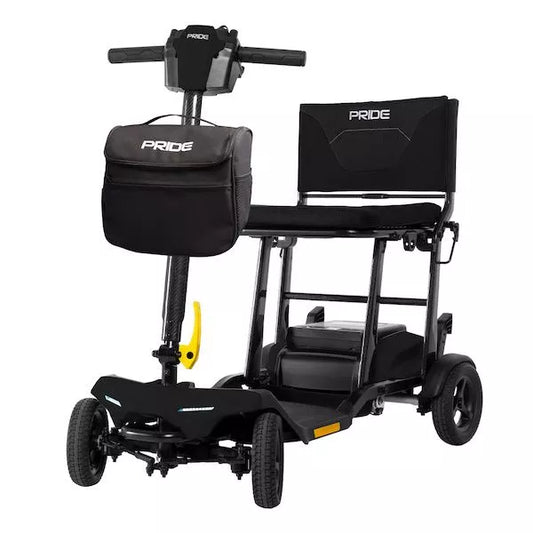
A Buyer's Guide to Durable Medical equipment for Sale

Shopping for durable medical equipment for sale is really about finding the right tools to live life on your own terms. Whether it's a mobility scooter that turns a trip to the store from a challenge into a simple errand, or a power wheelchair that can handle tight corners with ease, the goal is the same: restoring your independence and making every day a little bit better.
Your Guide to Finding the Right Durable Medical Equipment

Stepping into the world of durable medical equipment (DME) can feel like a lot to take in at first, but it doesn't have to be complicated. This guide is designed to be your roadmap, helping you find the perfect equipment to bring more freedom into your daily life.
Think of it this way: each piece of DME is a key. Each one is designed to unlock a new level of confidence, accessibility, and independence. Our job is to give you the practical knowledge you need to compare your options and feel completely sure about your purchase from a trusted retailer like Top Mobility.
Why Mobility Solutions Are More Important Than Ever
You’re not alone in seeking these solutions. With our population aging and more people wanting to live actively despite chronic conditions, the need for high-quality DME is growing fast.
In fact, the durable medical equipment market hit a value of around USD 250 billion in 2025 and is set to grow even more. This isn't just a business trend; it shows how vital these tools have become in helping people maintain their lifestyles.
The Main Categories of Durable Medical Equipment
To get started, let's break down the main types of equipment. Knowing the purpose of each one is the first step toward finding what's right for you.
To simplify things, here's a quick overview of the primary DME categories and what they're used for.
Quick Guide to DME Categories and Their Purpose
| Equipment Category | Primary Use | Ideal for Users Who... | Example Product |
|---|---|---|---|
| Mobility Scooters | Outdoor and indoor travel | Can walk short distances but need help for longer trips like shopping or park visits. | Go-Go Ultra X 3-Wheel Scooter |
| Power Wheelchairs | Full-time mobility assistance | Need constant support and superior maneuverability, especially indoors. | Jazzy Ultra Light Power Chair |
| Lift Chairs | Assistance with sitting and standing | Struggle to get in and out of a traditional chair and want to reduce the risk of falls. | Golden Technologies Comforter PR-531 |
| Ramps | Overcoming thresholds and steps | Need to make their home or vehicle accessible for a wheelchair or scooter. | Guldmann Stepless Lite Ramp |
| Patient Lifts | Safe transfers for non-mobile users | Require help moving between a bed, chair, or bathroom with caregiver assistance. | Dignity Lifts HL1 Helper Lift |
| Vehicle Lifts | Transporting mobility equipment | Want to take their scooter or power chair with them on the go without manual lifting. | Harmar AL100 Universal Scooter Lift |
This table should help you narrow down your search based on the specific challenges you or your loved one are facing. From here, you can dive deeper into the features that matter most.
By starting with a clear understanding of your own needs, you can confidently explore our complete collection of mobility products and find the equipment that truly fits your life. And remember, mobility is just one piece of the puzzle. For total wellness, you might also find this Best Massage Chair for Home guide useful for post-activity recovery.
Finding Your Fit: A Breakdown of Medical Equipment Categories

When you first start looking at durable medical equipment for sale, the sheer number of options can feel overwhelming. So, where do you begin? The best approach is to break everything down into a few key groups.
Each category is built to solve a specific problem, whether it's getting around town, staying comfortable at home, or making daily transfers safer. Let's walk through the main types so you can pinpoint exactly what you need.
Mobility Scooters That Power Your Lifestyle
Think of a mobility scooter as the perfect partner for someone who can still walk but finds longer distances challenging. They restore the freedom to do things like browse every aisle of the grocery store or enjoy a day at the park without getting exhausted.
Scooters generally fall into two camps, each with a different job to do.
Travel Mobility Scooters are all about convenience and portability. They’re lightweight and cleverly designed to break down into a few pieces that you can easily pop into the trunk of a car.
- Best for: People with an on-the-go lifestyle who are often running errands, visiting friends, or traveling.
- Example: A fantastic choice is the Go-Go Sport w/ EZ Turn by Pride Mobility. It disassembles in a snap, so you can take it just about anywhere without needing a special vehicle lift.
Heavy-Duty Mobility Scooters are the opposite—they’re built for pure power and stability. These are beefier machines with stronger motors and upgraded suspension, ready to tackle just about any outdoor terrain you can throw at them.
- Best for: Anyone living in a more rural area, outdoor lovers, or users who simply need a higher weight capacity and a smoother ride over bumpy ground.
- Example: The Pride Mobility WRANGLER 2 BA401 is a beast, offering aggressive performance and a suspension system that makes navigating uneven terrain feel easy.
To see how different models stack up, you can explore a huge selection of mobility scooters for every need and compare their features directly.
Power Wheelchairs for Indoor and Outdoor Agility
Power wheelchairs are typically the right choice for someone who needs full-time mobility support. Instead of a scooter's tiller, they use an intuitive joystick that provides incredible maneuverability, making them perfect for navigating the tighter corners and hallways inside a home.
A folding power wheelchair gives you the best of both worlds: the full function of a power chair with the grab-and-go convenience of a portable device. These chairs collapse down small for travel or storage. The Jazzy Carbon Power Chair, for instance, folds in a few quick steps and weighs only about 39 pounds.
For those who refuse to be limited by terrain, an all-terrain power wheelchair is the answer. These are the workhorses of the power chair family, outfitted with tough motors and sophisticated suspension to confidently handle parks, nature trails, and cracked sidewalks. A model like the Jazzy EVO 614HD delivers a stable, comfortable ride across all kinds of surfaces.
Key Insight: The big difference between a scooter and a power chair comes down to steering and turning. Scooters use a handlebar-style tiller and need more room to turn, making them great for open areas. Power chairs use a joystick for tight, 360-degree control, which is why they shine indoors.
Lift Chair Recliners for Comfort and Safety
At first glance, a lift chair looks just like a cozy recliner you’d find in any living room. The magic is hidden inside: a powerful lifting mechanism that gently tilts the chair forward, helping you move from sitting to standing with very little effort. This is a game-changer for anyone who struggles with balance or strength.
You’ll typically choose between two main types:
- 3-Position Lift Chairs: These recline to a comfortable napping position at roughly a 45-degree angle. They're perfect for reading, watching a movie, or just kicking back. The Golden Technologies Comforter PR-531 is a customer favorite for its blend of comfort and rock-solid reliability.
- Infinite-Position Lift Chairs: These are the pinnacle of comfort, reclining completely flat into a true sleeping position. They often come with incredible features like the zero-gravity position or the Trendelenburg position (which elevates the feet above the heart). The Golden Technologies MaxiComfort Cloud with Twilight PR-515 offers positioning options you just can't get anywhere else.
Essential Accessibility and Safety Products
True independence often goes beyond the mobility device itself. It’s also about making your environment work for you. These products tackle common obstacles to create a safer, more accessible world.
- Vehicle Lifts: Getting a heavy scooter or power chair into your car can be the biggest headache. A vehicle lift, like the Harmar AL100 Universal Scooter Lift, attaches to your vehicle and does all the heavy work, giving you the freedom to take your mobility aid anywhere.
- Ramps: For a wheelchair user, even a single curb or step can be a major roadblock. A simple solution like a Guldmann Stepless Lite Ramp creates a smooth path over thresholds, steps, and curbs.
- Patient Lifts: For caregivers, transferring a loved one can be physically demanding and risky. Patient lifts are designed specifically to prevent injury. A lift like the Dignity HL1 Helper Lift provides a secure way to move someone between a bed, wheelchair, and bathroom.
Essential Features to Evaluate Before You Buy
So, you’ve narrowed down the type of mobility equipment you need. That’s a great first step. Now comes the part where we get into the details—the specifics that turn a good choice into the perfect one for your life. It’s a lot like shopping for a car. You know you want an SUV, but now you’re comparing engine size, cargo space, and safety ratings.
Getting these details right is crucial. The need for reliable mobility equipment is growing fast, with the North American market projected to jump from USD 86.68 billion in 2025 to an incredible USD 142.68 billion by 2035. A big reason for this is our aging population; by 2030, more than 54 million Americans will be aged 65 or older, and many will count on these devices to stay independent. This isn't just a product; it's a lifeline.
Let’s walk through the key features you absolutely must consider.
Weight Capacity: The Foundation of Safety
Before you look at a single bell or whistle, find the weight capacity. This isn’t just a guideline—it’s a non-negotiable safety limit set by the people who built the machine. Pushing past it can cause equipment to fail, void the warranty, and put you at serious risk.
Remember to account for more than just your body weight. Think about everything you carry: a purse, shopping bags, or even a portable oxygen tank. As a rule of thumb, always choose a device with a capacity at least 20-30 pounds higher than your weight plus your usual cargo. That buffer is your safety net.
Range and Battery Life: Your Freedom to Roam
For any battery-powered equipment like a scooter or power wheelchair, the range is your ticket to freedom. It answers the simple question: "How far can I go before I need to plug in?"
Think honestly about how you’ll use it day-to-day.
- For Short Jaunts: If you’re just zipping around the house or making quick runs to the local shop, a model with an 8-10 mile range will likely do the trick. The Go-Go Elite Traveller 2 4 Wheel Travel Mobility Scooter is a perfect example of a compact scooter built for these kinds of trips.
- For All-Day Adventures: Planning a day at the zoo, a trip to the mall, or exploring a big campus? You'll want the confidence of a longer-range model, something that offers 15 miles or more on a single charge.
Portability: It's More Than Just the Total Weight
When you see "portable," don't just look at the total weight. For travel scooters and folding chairs, the real magic is in how they come apart. The number you really want to find is the "weight of the heaviest piece."
A scooter that weighs 100 pounds might sound intimidating, but many break down into four or five smaller pieces. If the heaviest part is only 35 pounds, that’s something one person can realistically lift into the trunk of a car without straining their back.
Pro Tip: Pay attention to how it disassembles. Does it need a toolbox, or can you break it down with a simple, tool-free mechanism? A "feather-touch" disassembly can be a game-changer when you’re out and about.
Comfort and Customization for All-Day Use
If you're going to spend hours in your power chair or lift chair, it has to be comfortable. For lift chairs, the fabric can make all the difference. While standard fabrics are great, premium materials like Brisa are buttery soft, breathable, and a breeze to clean—a worthy upgrade for anyone who relies on their chair daily. You can learn all about these choices in our comprehensive guide to lift chairs for the elderly.
On a scooter or power chair, look for adjustability. Can you change the seat height? Do the armrests flip back to make transferring to a bed or car seat easier? A device that molds to your body, not the other way around, prevents soreness and fatigue.
Warranty and Support: Your Long-Term Peace of Mind
A strong warranty is more than just a piece of paper; it’s a manufacturer’s vote of confidence in their own product. Always check to see what’s covered and for how long, as it usually varies by component.
- Frame: Often covered by a multi-year or even a lifetime warranty.
- Electronics & Drivetrain: You’ll typically see coverage for one to two years.
- Batteries: These have a shorter lifespan and are usually warrantied for six months to a year.
Just as important is the support you get from the retailer. Here at Top Mobility, every purchase comes with our lifetime customer service. That means we’re still here to help with questions and troubleshooting long after your warranty has expired. That kind of support is invaluable.
A Practical Buyer Comparison Checklist
Choosing the right piece of durable medical equipment isn't like picking a new appliance. It’s about finding a solution that fits a specific person and a unique life. A generic, one-size-fits-all checklist just won’t cut it—the questions an independent person asks are entirely different from those of a family caregiver.
So, let's break this down with a practical comparison checklist, tailored to who you are and what you need. We'll skip the generic advice and focus on the real-world questions that lead to a confident, long-term decision.
This flowchart helps visualize how your daily life should guide your choice. It all starts with core needs like how far you travel, how portable the device needs to be, and the user's weight.

The bottom line? Your primary activities—whether that’s frequent travel, navigating a small apartment, or tackling outdoor terrain—are the best starting point for your search.
Checklist for the Independent Home User
When you’re living on your own, the right equipment needs to feel like a natural extension of your home and routine. Your main goals are maneuverability, simplicity, and maintaining your self-sufficiency.
Ask yourself these practical questions:
- Will it fit? Get out the tape measure. Seriously. Check your doorways, hallways, and the turning radius in crucial rooms like the kitchen and bathroom. A compact power chair is designed for exactly these kinds of tight quarters.
- Can I manage it alone? If you plan to take it in your car, pay close attention to the “heaviest piece weight” on travel scooters. A model with feather-touch disassembly is a non-negotiable for anyone handling it solo.
- Does it match my lifestyle? If your happy place is the living room, an infinite-position lift chair with durable, comfortable fabrics isn’t just a luxury—it's a smart investment in your day-to-day comfort.
Checklist for the Caregiver
As a caregiver, your perspective shifts. You’re looking for a tool that makes your job safer and more efficient, all while guaranteeing the comfort and security of your loved one.
Consider these critical points:
- Can one person operate it safely? A patient lift must have intuitive controls and a gentle, stable motion. A quality stand-up lift is built specifically for secure, single-caregiver use, reducing strain and risk.
- What are the key safety features? Look for the details: anti-tip wheels on scooters and power chairs, secure locking mechanisms on ramps, and emergency battery backups on patient and stair lifts.
- How easy is it to clean and maintain? Equipment with removable, washable covers and smooth, easy-to-wipe-down surfaces will save you a surprising amount of time and effort.
Key Takeaway: For a caregiver, the best equipment is a force multiplier. It reduces physical strain, minimizes the risk of injury for both of you, and delivers priceless peace of mind.
Checklist for Bariatric or Specialty Needs
For users who need bariatric equipment or a device that can handle rough, challenging terrain, the priorities are clear: durability, power, and robust construction. Standard models simply won't have the strength and engineering required for these demands.
Focus your evaluation here:
- Is the weight capacity truly sufficient? Always choose a device with a weight capacity that is significantly higher than the user's weight. Don't forget to factor in the weight of any personal items, like oxygen tanks or shopping bags.
- Does it have enough power? For outdoor adventures, you need more than just a standard scooter. An all-terrain model with a powerful motor, large tires, and an advanced suspension system is essential for handling grass, gravel, and uneven paths.
- Is the construction reinforced? Look for tell-tale signs of heavy-duty design: welded steel frames, wider and deeper seats, and high-amp controllers that can handle the increased workload without overheating.
DME Buyer Persona Needs at a Glance
Every buyer comes to the table with a different set of non-negotiables. This table breaks down the primary focus for different types of users to help you zero in on what matters most for your situation.
| Buyer Profile | Top Priority | Key Features to Check | Example Product Focus |
|---|---|---|---|
| Independent User | Maneuverability & Ease | Turning radius, overall width, heaviest piece weight (for transport) | A compact power chair for indoor use or a feather-touch disassembly travel scooter |
| Caregiver | Safety & Efficiency | User-friendly controls, safety locks, anti-tip mechanisms, lifting range | A stand-up patient lift with a low base or a lift chair with dual motors |
| Facility Manager | Durability & Versatility | Heavy-duty frames, easy-to-clean surfaces, long battery life | Commercial-grade patient lifts or a fleet of reliable, easy-to-maintain scooters |
| Veteran/Bariatric User | Capacity & Power | High weight capacity, reinforced frame, powerful motor, all-terrain capability | A heavy-duty scooter with advanced suspension or a bariatric lift with a high SWL (Safe Working Load) |
Ultimately, matching the product's features to the buyer's real-world needs is the secret to a successful purchase. It ensures the equipment will be a helpful tool, not a frustrating obstacle.
Investing in high-quality durable medical equipment is a significant decision, and figuring out how to pay for it is a crucial part of the process. If you are exploring payment options, you might want to learn more about the financing solutions we offer to make your purchase more manageable.
Keeping Your Equipment Safe and Ready to Roll

Owning a piece of durable medical equipment is an investment in your independence. Just like your car, it needs a little TLC to keep it running safely and reliably. A bit of routine upkeep can prevent major headaches down the road and give you peace of mind.
By folding a few simple checks and safe habits into your daily life, you can make sure your equipment is always there for you when you need it most.
Everyday Safety Best Practices
Great maintenance isn’t just about the machine; it’s about how you use it. Knowing your equipment's limits and handling it with care is the single best way to avoid accidents.
Here are a few real-world tips for staying safe:
- Mastering Ramps: When taking a mobility scooter or power chair on a ramp, always go straight up or straight down. Never try to turn or drive across the incline, as it can throw the device off balance. Keep your speed slow and steady.
- Using Patient Lifts: Before you start any transfer, give the sling a quick double-check to ensure it’s secure. Also, make sure the lift’s base is spread to its widest setting for rock-solid stability. Talking the person through the lift helps them feel safe and prepared.
Your equipment is built for safety, but it's a partnership. Following these simple guidelines is the most effective way to prevent falls and create a secure experience for everyone involved.
A Simple Maintenance Checklist
Keeping your durable medical equipment for sale in prime condition doesn’t require a mechanic’s license. A few quick checks are all it takes to keep your device running smoothly and extend its life. For anything with a battery, like a scooter or power chair, consistency is everything.
Daily Check:
- Battery Charging: Make a habit of plugging in your device every single night, even if you only used it for a short trip. Consistent charging keeps the battery healthy and prevents the kind of deep drain that can shorten its lifespan. For example, the charger for the Go-Go Elite Traveller 2 Platinum Scooter even has smart-charging to prevent over-juicing.
Weekly Check:
- Tire Inspection: If you have air-filled tires, check the pressure to ensure you get a smooth ride and responsive handling. For solid tires, just give them a look-over for any major wear or damage.
- Wipe Down: Use a damp cloth to clean the frame and surfaces. It’s not just about looks—it keeps grime from building up in moving parts.
Monthly Check:
- Check for Loose Parts: Give key components like the armrests, seat, and tiller a gentle wiggle. If anything feels loose, tighten the bolts and fasteners to keep everything secure.
Finding Replacement Parts and Accessories
Even the best-maintained equipment will eventually need a new part. Things like batteries, tires, and chargers naturally wear out over time. When that happens, getting the exact right part for your model isn't just a good idea—it's critical for safety and performance.
Instead of trying to guess which component you need, a dedicated tool makes it foolproof. You can use our easy Parts Finder to locate the right components for your specific device. It takes all the guesswork out of ordering, so you can be confident you’re getting a high-quality, compatible part to keep your equipment in top shape for years to come.
How to Purchase from Top Mobility with Confidence
You've put in the time to figure out exactly what you need. Now, the final step is actually making the purchase, and we know that buying something this important online can feel a little daunting.
That’s why we’ve spent years refining our process to be as straightforward and supportive as possible. Thousands of customers trust us because we do more than just sell a product—we stand behind it with a commitment to value and lasting support.
Perks of Shopping with Top Mobility
When you decide to shop with us, you’re not just getting a piece of equipment. You're getting a partner in your mobility journey, and that comes with a few promises to make the entire experience smoother.
- Price Match Guarantee: We’re confident in our pricing. If you happen to find the same product for less somewhere else, we’ll match that price. Simple as that.
- Free Shipping: To make high-quality equipment more accessible, we offer free shipping on all orders over $50 anywhere in the United States and Canada.
These aren’t just policies; they’re our way of earning your trust and showing you we’re dedicated to getting this right for you.
Our Commitment to You: We genuinely believe that finding the right mobility solution shouldn't be a source of stress. Our whole approach is built on being transparent, supportive, and giving you the confidence that you’ve made the best possible choice for your independence.
A Simple and Secure Buying Process
We’ve designed our website to feel intuitive, not overwhelming. You can easily find what you’re looking for, compare your top choices, and feel secure when you’re ready to check out.
- Find Your Product Easily: Use our main categories or the search bar if you know what you’re looking for. The filters are a huge help—you can quickly narrow down your options by brand, price, or specific features. For example, if you're browsing lift chairs, you can filter by position type to find popular models like the Golden Technologies MaxiComfort Cloud with Twilight PR-531.
- Read Verified Reviews: Hear directly from people who have already made the purchase. Our product pages include thousands of real-world reviews, giving you honest feedback on everything from the unboxing experience to daily performance.
- Complete Your Purchase Securely: Our checkout is both safe and straightforward. Once you’ve added your chosen item to the cart, like the dependable Pride Jazzy Ultra Light Power Chair, just follow the simple on-screen steps to finish your order.
From the moment you start browsing to long after your equipment arrives, our goal is to ensure you feel supported. Our expert team is always here to answer questions, and our lifetime customer support means you’ll never be on your own.
Frequently Asked Questions About Buying DME
Making the decision to invest in your independence is a big step, and it's natural to have a few questions as you get close to choosing the right equipment. We've been helping people find the perfect durable medical equipment for sale for years, and we want to make sure you have all the answers you need to feel great about your choice.
Here are some of the most common questions we hear from customers just like you.
What Is the Main Difference Between a Mobility Scooter and a Power Wheelchair?
This is probably the most common question we get, and the answer really boils down to steering and where you’ll be using the device most.
Think of it this way: a mobility scooter steers with a tiller, which works a lot like the handlebars on a bicycle. This setup is fantastic for cruising down straight, open paths, whether you're at the park or navigating a big-box store.
A power wheelchair, on the other hand, is driven with a highly responsive joystick. This gives it an incredible turning radius, making it the champion of tight indoor spaces. A chair like the Jazzy Ultra Light Power Chair can gracefully maneuver around furniture in a tight kitchen or down a narrow hallway where a scooter would struggle.
How Do I Choose the Right Size Lift Chair?
Finding the right lift chair is all about getting the perfect fit—for both you and your room. Before you do anything else, measure the spot where you plan to put the chair. Be sure to account for the space it will need when it's fully reclined.
Once you have your room dimensions, it’s time to focus on you. When you’re sitting in the chair, your feet should be able to rest flat on the floor, and you should have a small gap (about two to three inches) between the front edge of the seat and the back of your knees. This ensures proper support and circulation. That's why models like the Golden Technologies Comforter PR-531 are so popular—they come in different sizes to match your specific body type.
Can I Take My Folding Mobility Scooter on an Airplane?
Absolutely! Many of today's folding and travel scooters are specifically designed with air travel in mind. However, the golden rule is to always call your airline well ahead of your flight.
Every airline has its own specific rules, and you’ll need to be ready with your scooter’s weight, folded dimensions, and battery type. Most airlines require sealed, non-spillable batteries for safety. For more general information on products, other resources can be quite helpful. For instance, you can find answers to common questions about various types of durable medical equipment on this Frequently Asked Questions page.
How Often Should I Replace My Batteries?
On average, you can expect the sealed lead-acid (SLA) batteries in most scooters and power chairs to last somewhere between 18 and 24 months. The actual lifespan really depends on two things: how often you use your device and your charging routine.
To get the most life out of your batteries, get into the habit of plugging in your device to charge overnight after every day you use it. This simple routine makes a huge difference.
Here at Top Mobility, our mission is to help you find that perfect solution that gives you back your freedom. Take a look at our full selection of durable medical equipment and start your journey toward greater independence.
Browse Our Complete Collection of Mobility Products
Generated with Outrank tool